
For Clinic Owners
Every empty chair still gets paid for — doctor, power, rent.
No-shows and patients who never return are the biggest clinic cost that never appears in the books. AI reads patient communication and tells you who to remind — before the chair sits empty.
No-show risk detected before the day itself
Overdue check-up patients surface automatically
Chairs filled, without adding admin workload
15-minute demo via WhatsApp — no commitment, no credit card, answered by a human.
Product illustration — not real patient data.
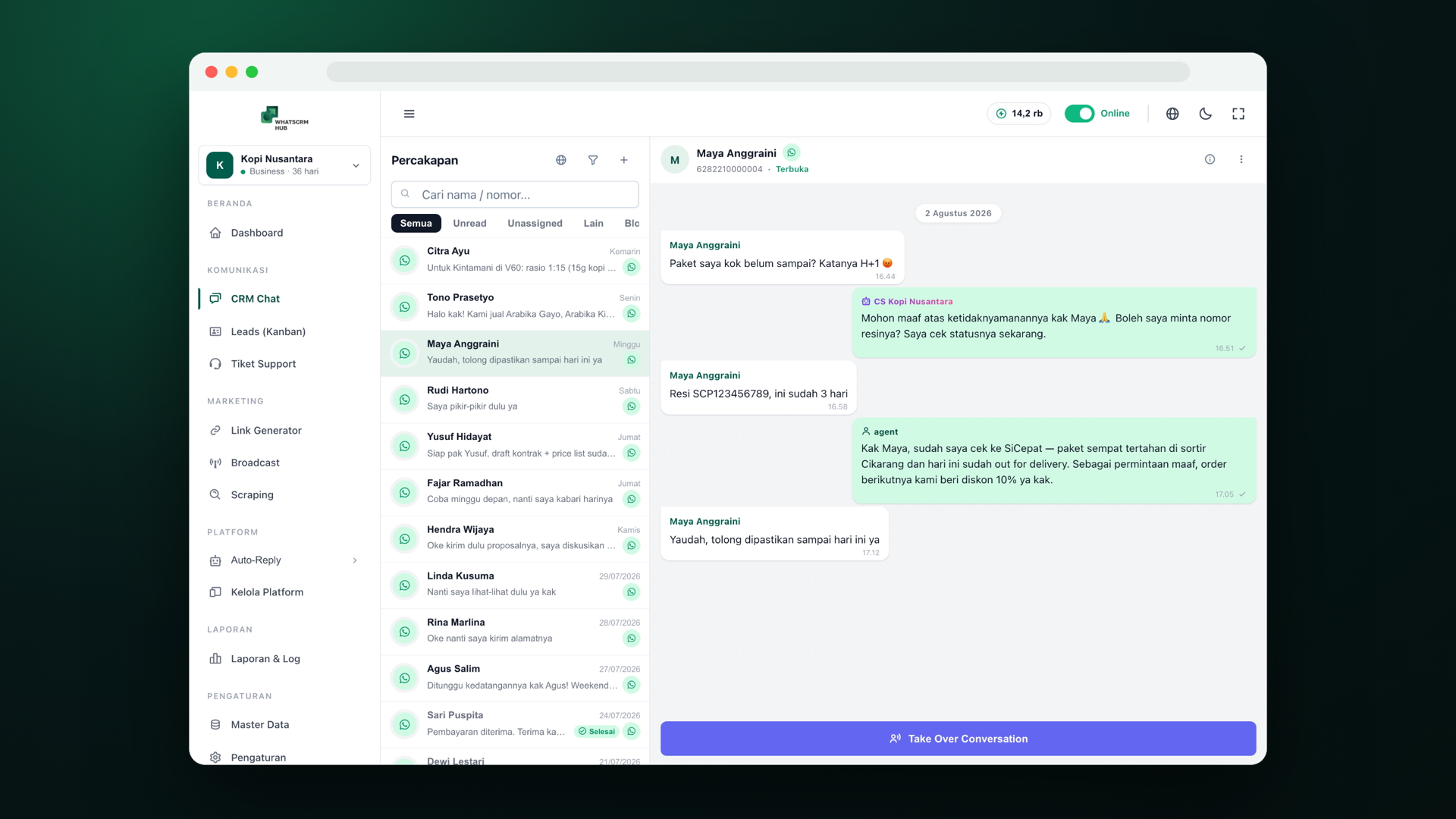
 Just Type It
What used to surface only when the chair sat empty — now surfaces first.
The AI reads patient communication daily, then answers like a head receptionist who remembers every single patient.
“Who risks a no-show tomorrow?”
Patients who have not confirmed, reschedule often, or have a history of cancelling — flagged before the day so the slot can still be saved.
“Which patients are overdue for a check-up?”
Those who should have come back but never rebooked surface on the follow-up list automatically — not when an admin remembers.
“What do patients ask about the most?”
Opening hours, treatment prices, procedure prep — recurring questions detected automatically, input for auto-replies and education.
“Is the front office answering by clinic standards?”
Replies that drift from the standard — treatment prices, result claims, medical information — flagged for your review.
“What hours are patient chats busiest?”
Incoming chat patterns compared with admin shifts — so patients do not wait longest at exactly the busiest hour.
“What does next week's occupancy look like?”
A chair-fill estimate from current bookings and arrival patterns — so promos target the slow slots.
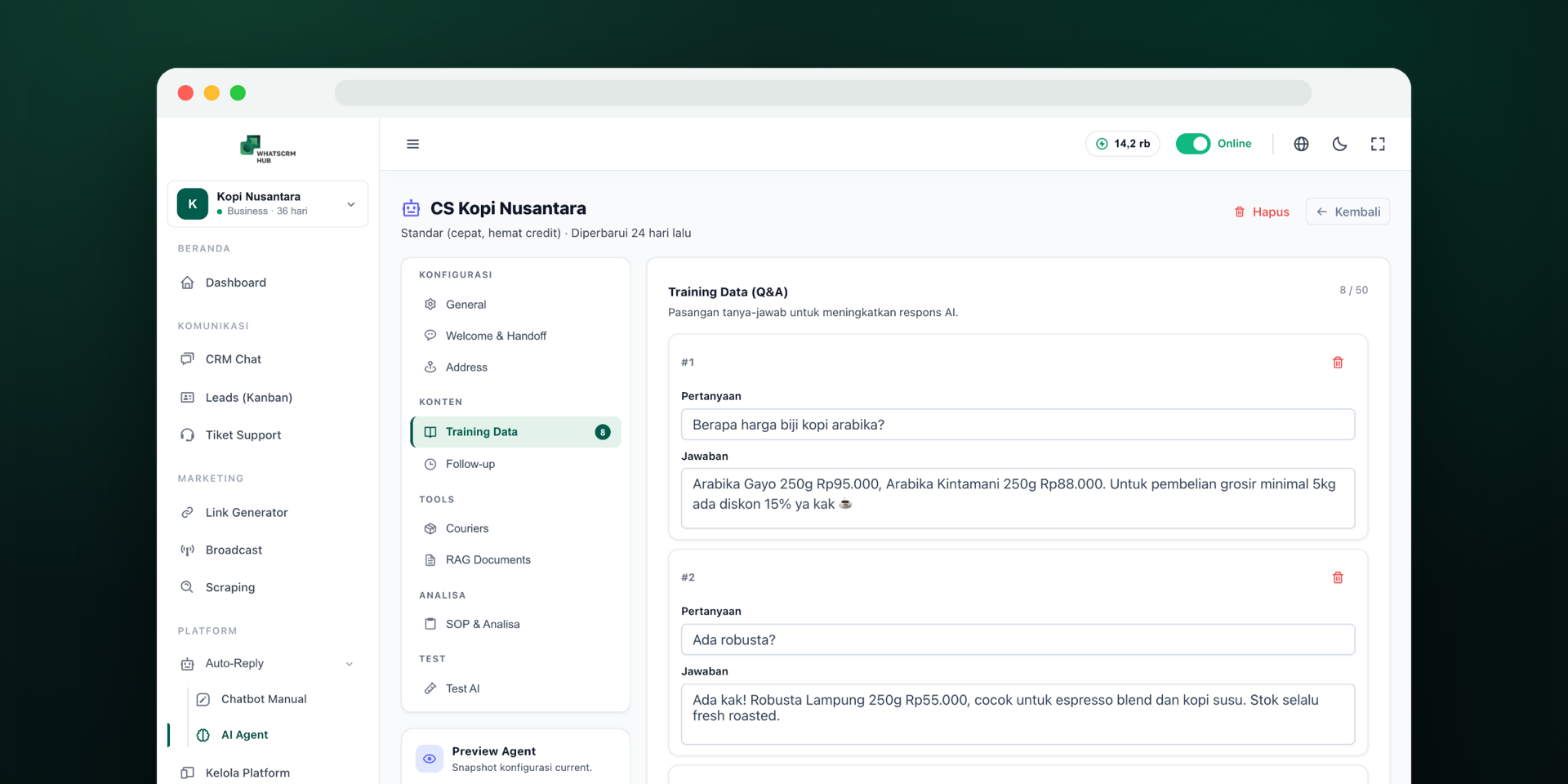 The Morning Report
Before the clinic opens, you already know the day.
Yesterday's patient communication, condensed into a summary you finish before the first patient walks in.
Sample report format — the numbers above are illustrative, not statistics.
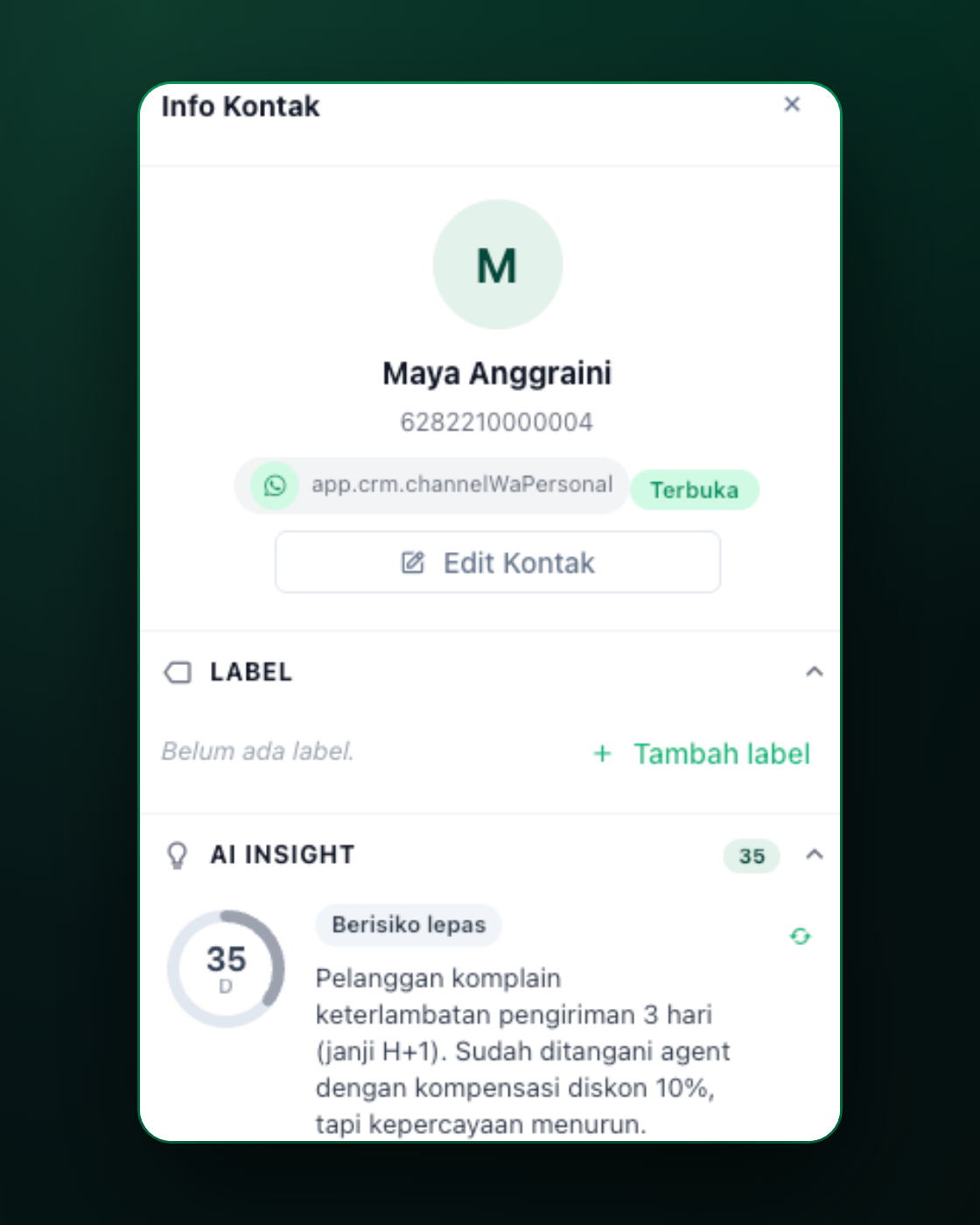 Goes Where You Go
Watch the clinic from home — you know the day before you leave the house.
The mobile app is included: appointments, no-show risk, and patient questions readable from your phone at any time.
The clinic in your hand
The schedule for today, occupancy, and the morning report open from your phone — before the clinic even opens.
Empty-slot risk alerts
Patients at risk of no-show or last-minute cancels get notified — with time left to save the slot.
Step in only when needed
Sensitive questions that need an owner decision can be answered straight from your phone, without going in.
Sample report format — the numbers above are illustrative, not statistics.
The Difference
Other booking systems record the schedule. This AI keeps the chairs filled.
Calendars and reminders are table stakes — every system has them, so do we. The difference: AI that reads patient communication and acts before a slot goes empty.
An empty chair cannot be resold — this system works so it does not happen.
See how the AI scores no-show risk and saves empty slots — a 15-minute demo for your clinic.
Book a Clinic Demo
15-minute demo via WhatsApp — no commitment, no credit card, answered by a human.
The Foundation Stands
And patient data stays with the clinic, under controlled access.
Analysis is only possible when the data is intact — stored in the clinic system, not on the personal phone of whoever is on shift.
The fear
“Patient data is scattered across several admins' personal phones.”
The answer
Patient communication lives in the clinic system with tiered access — not in the personal contacts of whoever happens to be on duty.
The fear
“When admins change, long-time patients get treated like strangers.”
The answer
Conversation history attaches to the patient, not the admin. Whoever is on shift continues from the last message.
The fear
“Automated messages will feel cold and impersonal.”
The answer
You set the tone and content. Automation only makes sure the message goes out on time — it does not replace how your clinic speaks.
In Their Words
What changed once the system was running.
Still Unsure?
Questions from clinic owners.
At a Glance
Key facts about this page.
An empty chair is a cost. WhatsCRM Hub AI reads your patient communication: who risks a no-show, who is overdue for a check-up, what patients ask most — and sends reminders before the slot goes empty.
- WhatsCRM Hub is an AI-powered business communication platform — this page is for Clinic Owner.
- AI that knows which patients risk not showing up and who is overdue for a follow-up — before the chair sits empty.
- No-show risk detected before the day itself
- Overdue check-up patients surface automatically
- Chairs filled, without adding admin workload
- Includes a mobile app; a self-hosted option offers full data control.
Today's empty slot cannot be resold tomorrow.
Most no-shows and lost patients are preventable — if someone knows in advance who needs the reminder. Now someone does.
Ask on WhatsApp
15-minute demo via WhatsApp — no commitment, no credit card, answered by a human.