Why how much does it cost is hard to answer
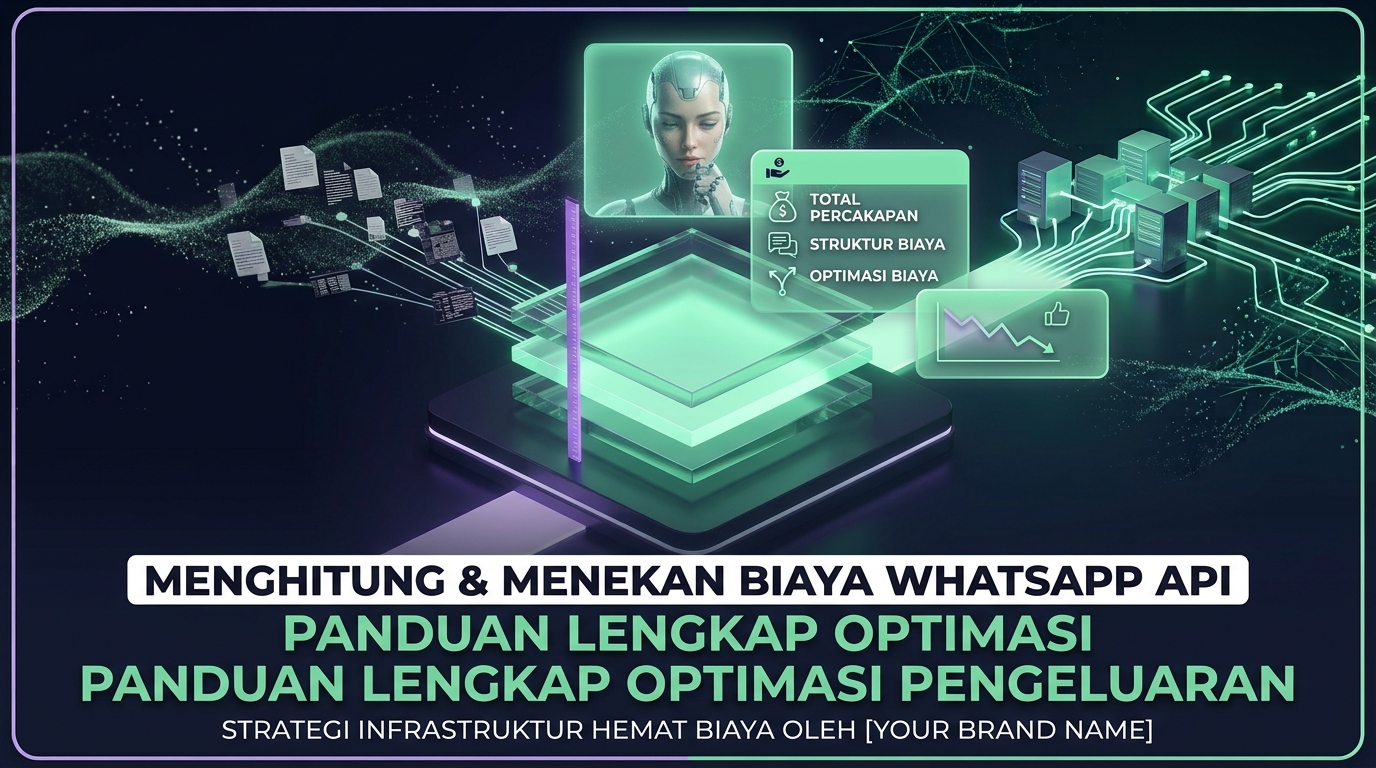
The most common question about the WhatsApp Business API is the monthly cost. The answer is always it depends, not because providers are evasive but because cost genuinely stacks from several layers with different behaviour.
Understanding the structure matters before comparing quotes, because two different numbers often measure different things.
Cost components to separate
- Messaging platform cost, billed by Meta based on send volume, with rates varying by message category and destination country. Marketing is generally the most expensive category, while customer service replies are treated differently.
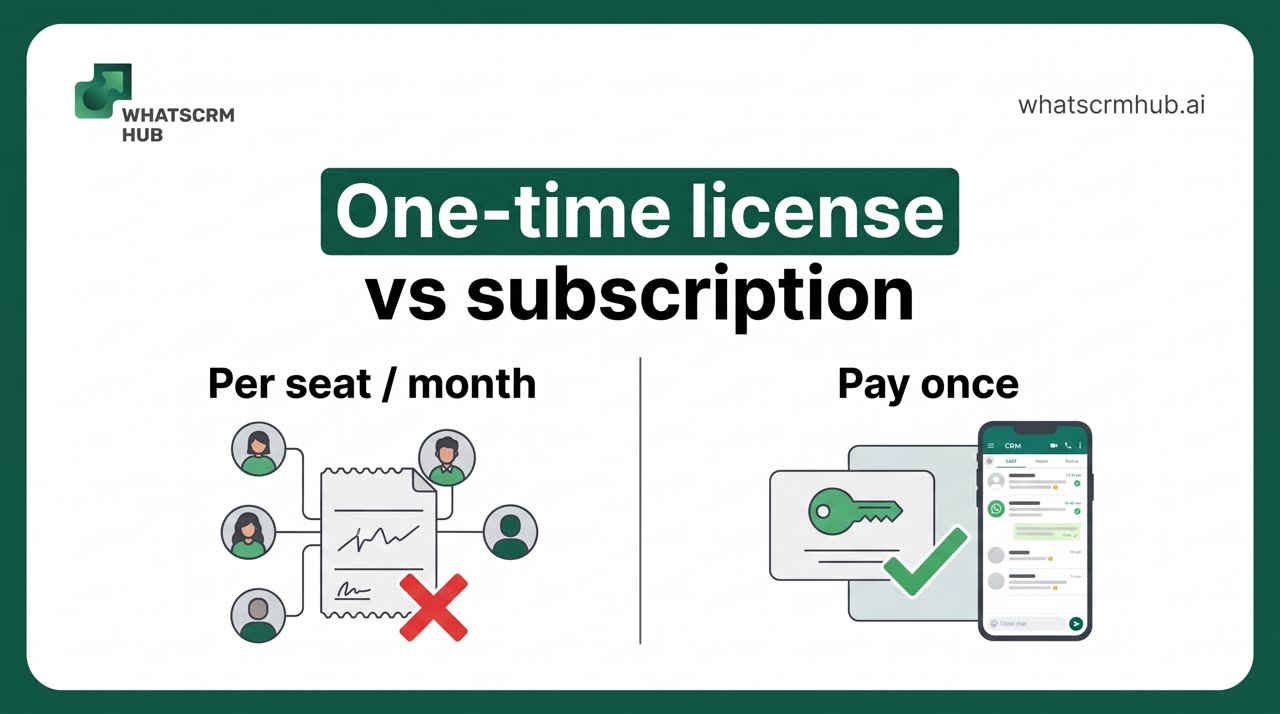
- Provider or software cost, which may be a monthly subscription, a per user fee, or a one time licence depending on the model.
- Infrastructure cost. Servers, media storage, and backups, especially if you self host.
- Human operating cost. Often forgotten yet usually the largest: agent time, training, and supervision.
Because per category and per country rates change over time, always check the current rate card when calculating rather than reusing numbers from an old article.
A calculation framework you can use
- Estimate volume per message category. Separate marketing, utility such as order notifications, and authentication. All three behave differently.
- Estimate the share of customer initiated conversations. Customer initiated is generally cheaper than mass outbound.
- Compute cost per outcome, not per message. The useful metric is cost per qualified lead or per transaction.
- Add fixed costs for software and infrastructure, then divide by volume for an average.
Lowering cost without hurting service
- Improve reply speed. Faster replies close more conversations inside the active window, so fewer paid messages are needed to continue.
- Replace mass broadcasts with targeting. Sending to ten thousand irrelevant contacts is both expensive and damaging to number quality.
- Combine notifications. Three separate notifications for one order can often become a single summary message.
- Use click to conversation ads so the customer initiates rather than you reaching out.
- Clean the contact base. Inactive numbers still cost money when messaged.
- Automate repetitive questions, which lowers human cost, usually far larger than message cost.
Savings that backfire
- Switching to unofficial routes to avoid message fees. Monthly savings do not offset losing your main number permanently.
- Cutting agents without cutting volume. Response time worsens, conversion falls, and cost per transaction rises.
- Removing utility notifications. Reminders and order status usually reduce other costs such as cancellations and complaints.
- Choosing a provider on price alone without checking delivery reliability and data export.
Questions to ask a prospective provider
- Are messaging rates passed through as is or marked up, and by how much.
- Are there extra fees per user, per number, or per conversation.
- How do you export all conversation data if you leave later.
- Are there media storage limits and how long is history retained.
- What happens when delivery incidents occur.
Frequently asked questions
Is there a free allowance?
Allowance schemes and exemptions change over time, including special treatment for certain customer service conversations. Check current terms before budgeting.
Do costs differ by country?
Yes, and significantly. If you message several countries, calculate per country rather than using a global average.
Is a one time licence cheaper than a monthly subscription?
It depends on time horizon and user count. Compute three year total cost of ownership for both, including maintenance and infrastructure.
Next step
Build a three month volume estimate per message category, then compare two providers with costs broken out per component. See the full ownership model at WhatsCRM Hub.