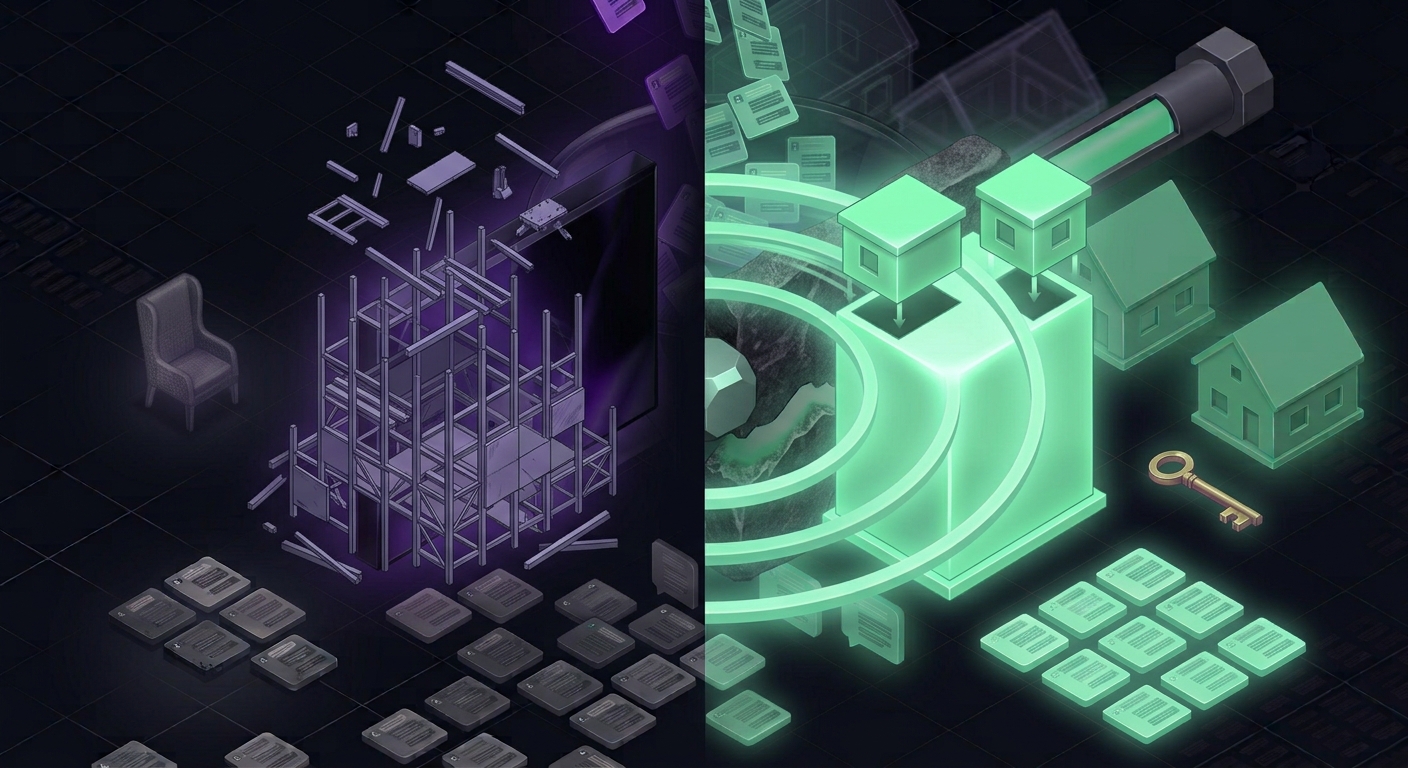

Why interview based diagnosis misses
Standard consulting starts by interviewing owners and managers. The problem is that the interviewee is part of the system being diagnosed. They report what they observe and what they believe, both already filtered by their position.
A very common example: the owner is convinced the problem is insufficient advertising. Once customer conversations are examined, lead volume turns out to be adequate but half of them were never answered within twenty four hours. Adding ad budget in that state simply widens the leak.
What a consultant can see in conversation data
- Real team capacity. Conversations per person per day, and the point where reply quality starts dropping.
- Process failure points. The stage where customers most often stop responding.
- Dominant objections. The words that appear most often right before customers go silent.
- Gap between marketing promise and reality, visible in repeated questions about things the ad should have made clear.
- Unserved demand. Products or services asked about repeatedly but not offered.
A four layer diagnostic framework
- Volume layer. Is the problem really a lack of demand? If conversation volume is stable while sales fall, marketing is not the issue.
- Response layer. How many conversations go unanswered and what the average response time is. This is most often the root cause and the cheapest to fix.
- Qualification layer. Are incoming leads a fit? If most are off target, the issue is ad targeting or messaging.
- Closing layer. If volume is fine, responses are fast, and leads fit, but conversion stays low, only then is the problem the offer, price, or selling skill.
Order matters. Many consultants jump straight to the closing layer and recommend sales training when the real issue sits in the response layer, which is far cheaper to fix.
Presenting findings without attacking the client team
- Lead with patterns, not individuals. Show that the leak happens at certain hours rather than with certain people.
- Quantify the impact in money. Five percent unanswered is easier to grasp as an estimated value of lost transactions.
- Include real anonymised excerpts. One quoted conversation convinces more than ten charts.
- Always pair a finding with an action. Findings without recommendations produce guilt, not change.
Boundaries to respect
Access to client customer conversations is a significant trust. Basic rules: agree the access scope in writing before starting, use aggregate data for reporting and open specific conversations only when verification requires it, never move data onto personal devices, and ensure access is revoked when the engagement ends.
From diagnosis to ongoing engagement
Data based diagnosis has a bonus for consultants: it can be remeasured. If you found a six hour average response time at the start, you can show it dropping to twenty minutes three months later. Evidence that concrete turns a project relationship into an ongoing one, because the client sees your impact in their own numbers.
Frequently asked questions
What if the client has no system recording conversations?
That itself is the first finding. Consolidating conversations into one system usually becomes the initial recommendation, because without it no measurement is possible.
How much data is needed for a valid diagnosis?
Two weeks gives a picture for response metrics. Objection patterns and trends are better with one to three months.
Does this suit small businesses?
Very much, because small businesses least often have structured data and are most affected by response leakage.
Next step
On your next engagement, request thirty days of customer conversations before conducting interviews. Compare what you find with what the owner reports. That gap is the core value you bring. See the WhatsCRM Hub solutions page.