What a single no-show actually costs
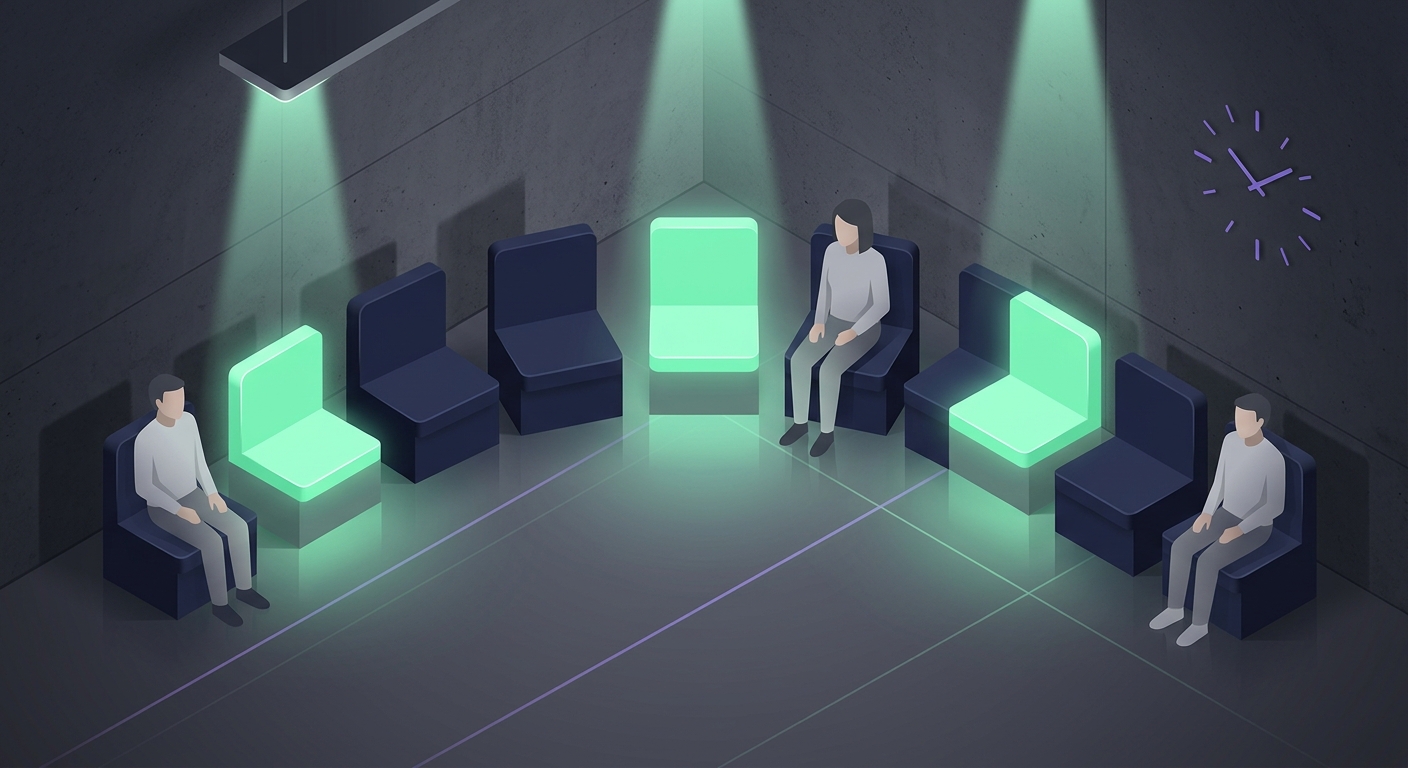
Many clinics treat no-shows as a minor annoyance. The maths looks different when you see a slot as production capacity. An empty specialist hour cannot be resold the same day. If your no-show rate is ten percent across thirty daily appointments, you lose three slots a day, roughly sixty to seventy a month.
What makes this expensive is not only lost revenue but the queue of other patients who could have taken that slot had the clinic known earlier.
Why a day-before reminder is not enough
Most clinics already send a reminder the day before. The problem is that a one way reminder delivers information without collecting confirmation. The patient reads it, does not reply, and the clinic stays blind.
- Ask for an answer, do not just inform. One confirmation tap turns a reminder into data.
- Send it twice, typically two days out and on the morning of the appointment, because cancellations often form at the last minute.
- Offer an easy exit. A patient given one tap rescheduling will choose it over silently disappearing.
No-show risk signals hiding in conversations
- Repeated questions about cost with no discussion of scheduling. Price sensitivity strongly predicts cancellation.
- Hanging confirmations. Reminders read but never answered twice in a row.
- Prior no-show history. A patient who missed once is far more likely to miss again.
- Long booking lead time. Appointments made more than two weeks ahead carry higher cancellation risk.
- Overdue follow-up visits. A separate and often forgotten group: not cancelled, simply never rebooked.
A workflow you can install immediately
- Consolidate patient chats into one clinic inbox. While conversations live on the receptionist personal phone, no data can be analysed.
- Send automatic confirmations two days out and on the morning of, with a simple attend or reschedule reply.
- Flag unconfirmed patients as at risk and call only that small group manually, instead of calling everyone.
- Keep a waiting list. When a cancellation lands, automatically offer the slot to waiting patients. A refilled slot is revenue genuinely recovered.
- Build a recall flow for patients overdue on follow-up visits.
Patient privacy guardrails
Health communication over WhatsApp demands care. Practical rules: never put a diagnosis or test result in an automated message, reference only the service type or doctor name. Restrict inbox access to staff who genuinely handle patients. Store conversation history in a system with role based access rather than on personal phones that change hands.
How to measure whether it worked
- Weekly no-show rate, before and after the confirmation flow.
- Confirmation rate, the percentage of patients who reply. This intermediate metric moves fastest.
- Slots recovered from the waiting list.
- Recall return rate, for clinics with recurring care such as dental, dermatology, or physiotherapy.
Frequently asked questions
Do automated reminders annoy patients?
As long as the frequency is reasonable and the content concerns their own appointment, response is generally positive. What annoys people is mass promotion, not schedule reminders.
What if the clinic has several branches?
Each branch keeps its own schedule and staff, but no-show reporting should be viewable centrally so patterns can be compared.
Is the official WhatsApp Business API required?
For routine scheduled reminder volume the official API is far more stable and much safer against number blocking.
Next step
Start with one clinic department or one doctor for two weeks, measure the confirmation rate, then expand. See how clinics use WhatsCRM Hub on the solutions page.