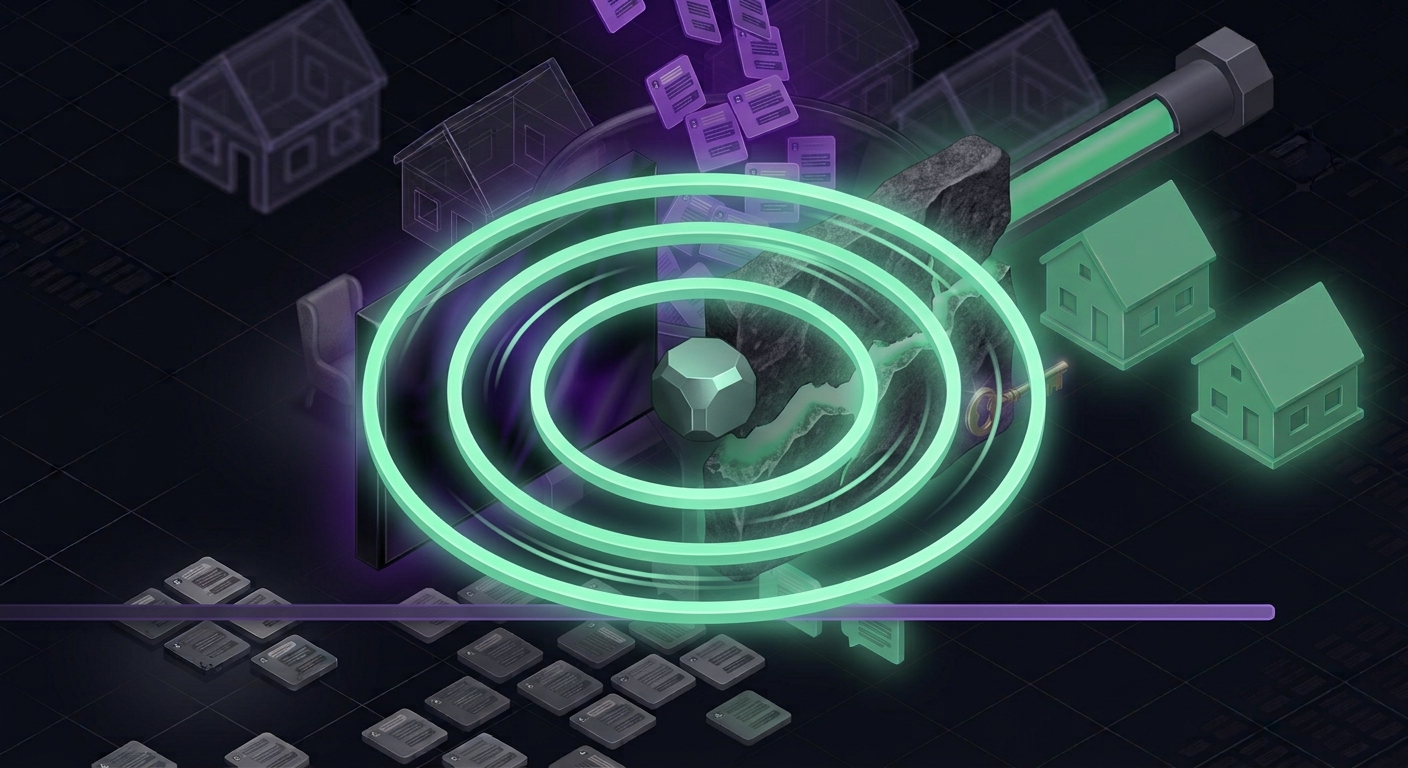
The classic multi branch problem
Once a business passes two branches, information stops flowing upward. Each branch has its own WhatsApp number, usually on a phone held by the store manager. Reports to headquarters are weekly, summarised, and filtered by the very person being judged on them.
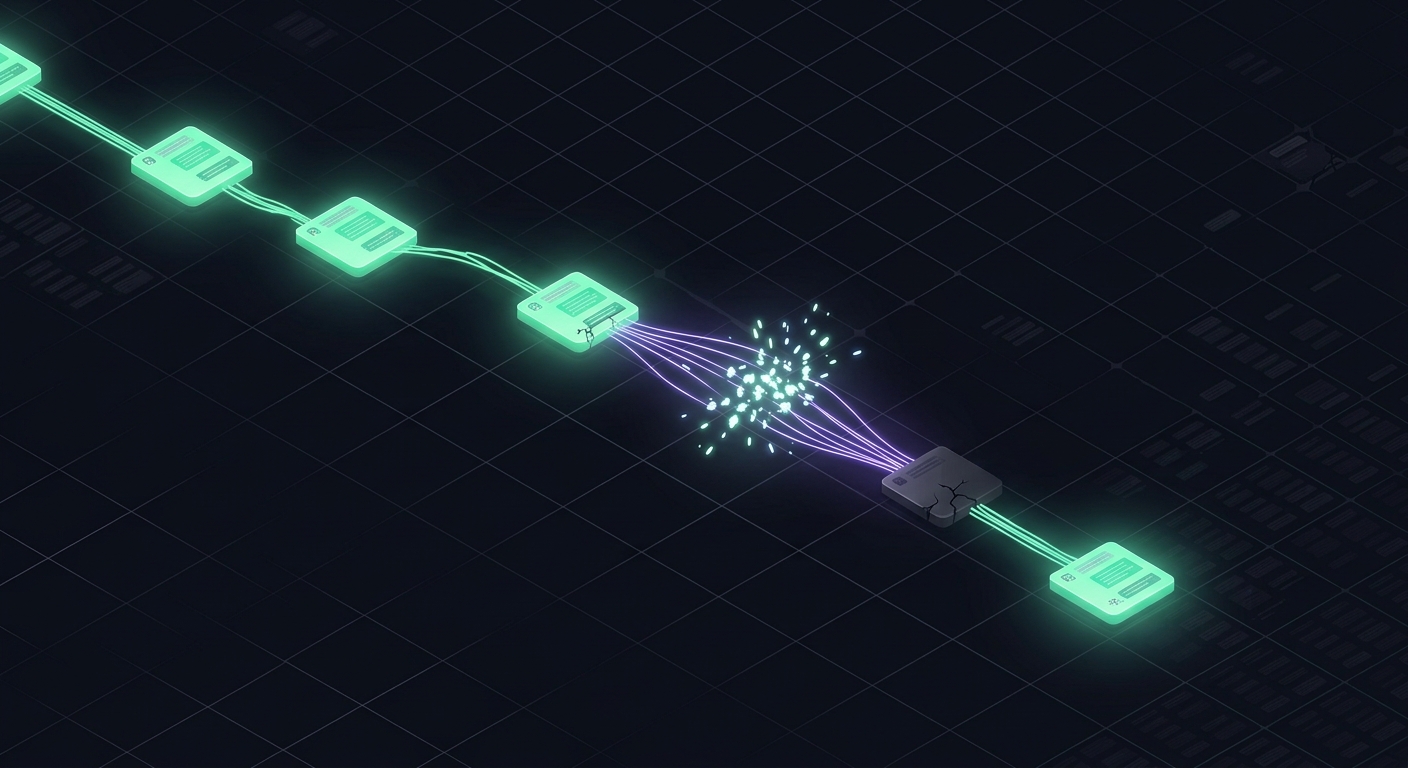
The result is that headquarters only learns about a problem once it is large. A complaint that appeared at one branch three weeks ago turns out to have appeared at four others too, but nobody noticed because those conversations never met in one place.
Why an internal WhatsApp group is not the answer
- What gets reported is still interpretation. The group contains summaries, not the original customer conversations.
- It cannot be searched or counted. You cannot answer questions like what percentage of customers asked about stock this month.
- It drowns. Important information disappears among hundreds of daily coordination messages.
The model that works: centralised data, decentralised operations
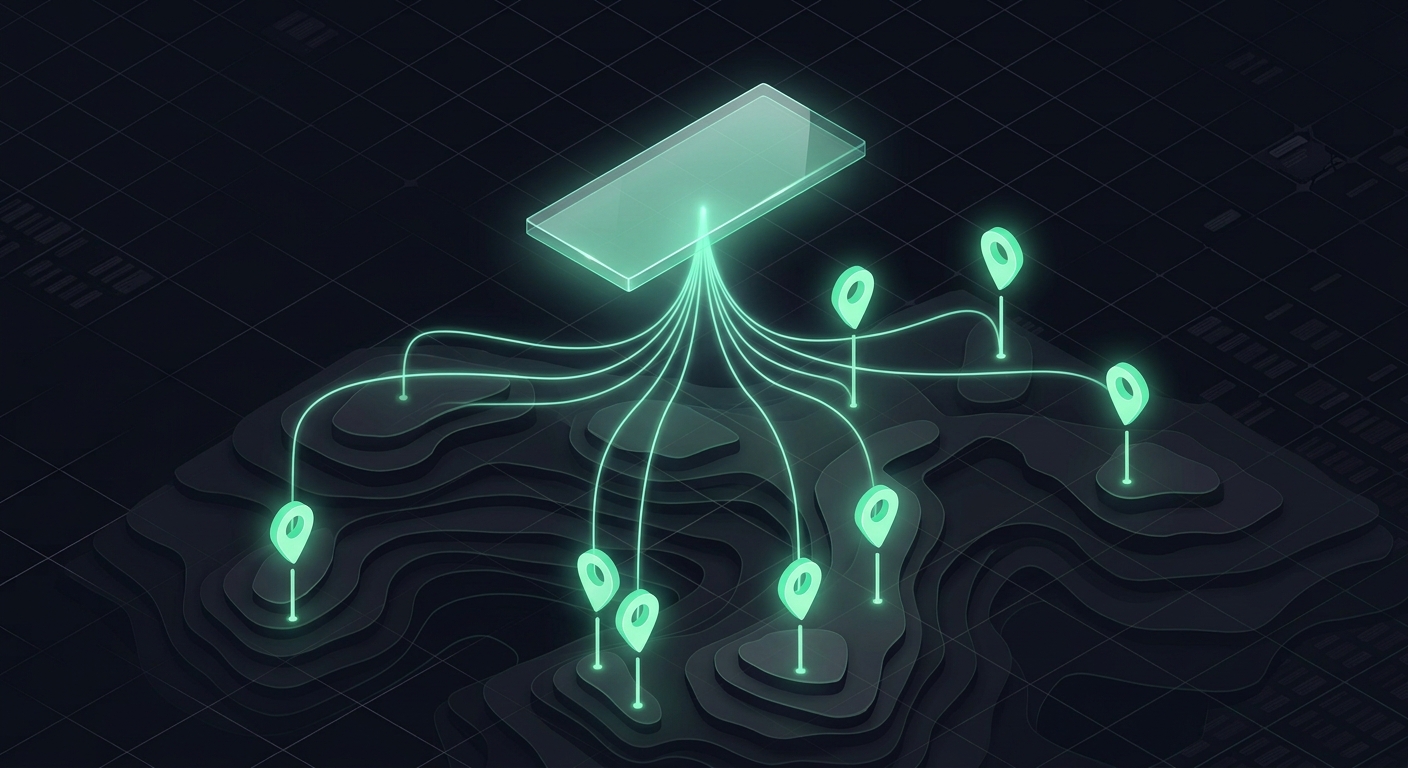
The principle is simple. Every branch still serves its own customers, but all conversations live in one system tagged by location. What is centralised is the data, not the work.
- Keep a number per branch, because customers genuinely want the nearest location.
- Every conversation carries a branch label automatically, so per location reporting needs no manual input.
- Access is scoped by role. Branch managers see their branch, area managers their region, directors everything.
- Head office can enter a specific conversation during escalation without asking for screenshots.
Four reports that pay off immediately
- Response time comparison across branches. Usually the biggest surprise of the first month, because the spread is often enormous.
- Top complaints per branch. When the same complaint appears in many locations, the root cause is product or head office policy, not staff quality.
- Volume and peak hours per location. The most objective basis for staffing decisions, far better than a manager gut feeling.
- Lead conversion per branch. Two branches with similar traffic but double the conversion gap is a training signal, not a market signal.
Risks worth anticipating
- Announce that business conversations are monitored, including to branch staff. Transparency removes the feeling of surveillance.
- Compare branches with context. A downtown branch and a suburban one should not share the same benchmark.
- Use the data to defend branches too. If data shows a branch is understaffed, head office must act on it, not only demand more.
The asset ownership issue people forget
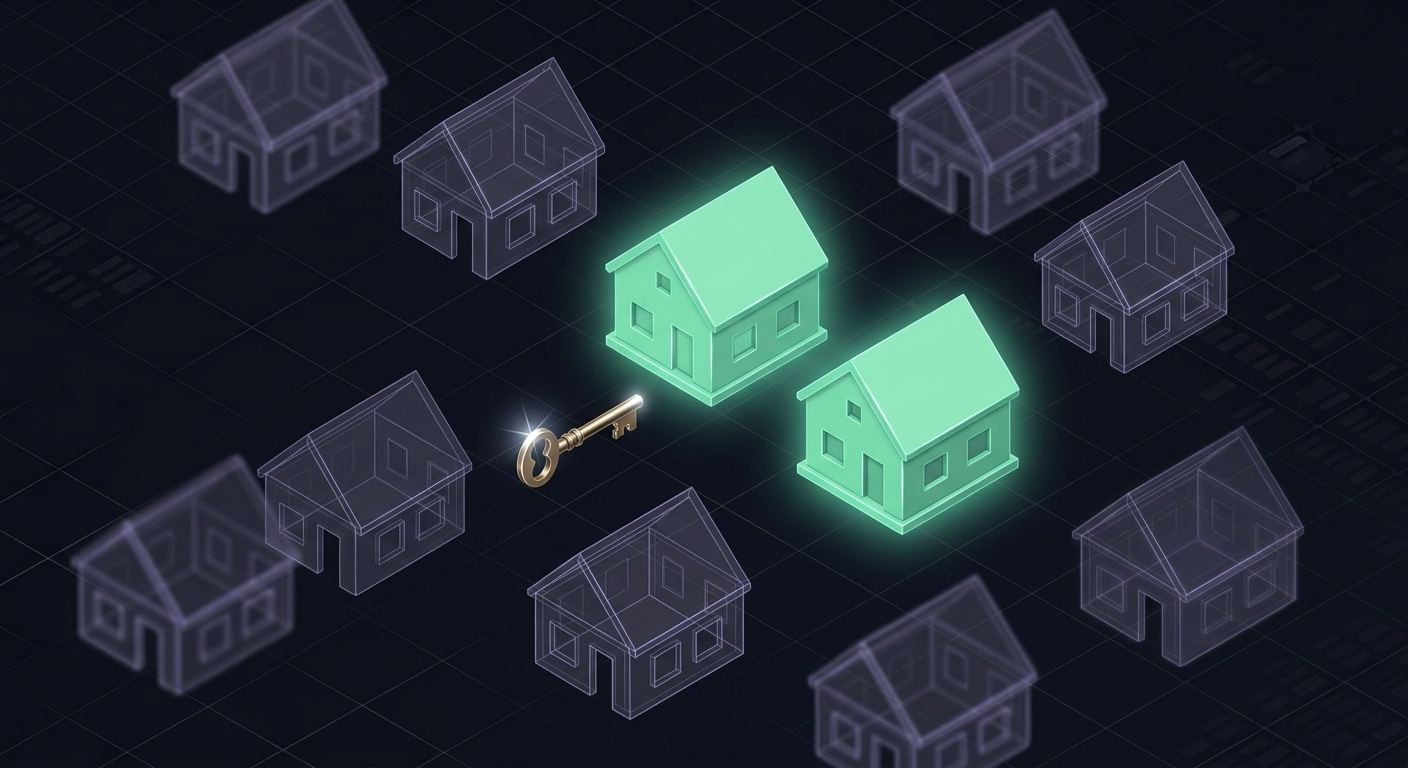
A rarely discussed risk: if a branch WhatsApp number is registered on an employee personal phone and name, that branch customer base effectively belongs to the employee. When they leave, the conversation history leaves too. Consolidating conversations into a company system is not only about reporting, it is about keeping customer assets owned by the company.
Frequently asked questions
Does every branch need a separate number?
Not strictly, but it is usually better because customers seek the nearest branch and location tagging becomes automatic.
What if one branch has several people replying?
That is the normal pattern. What matters is that each reply is attributed to the sender so workload and quality are visible per person.
Can head office read history from before the system existed?
Generally no. History on personal phones is hard to recover, which is why earlier consolidation means less lost history.
Next step
Start with three branches of different character, run one month, then compare response times and top complaints. The pattern usually sets your improvement priorities immediately. See the WhatsCRM Hub solutions page.