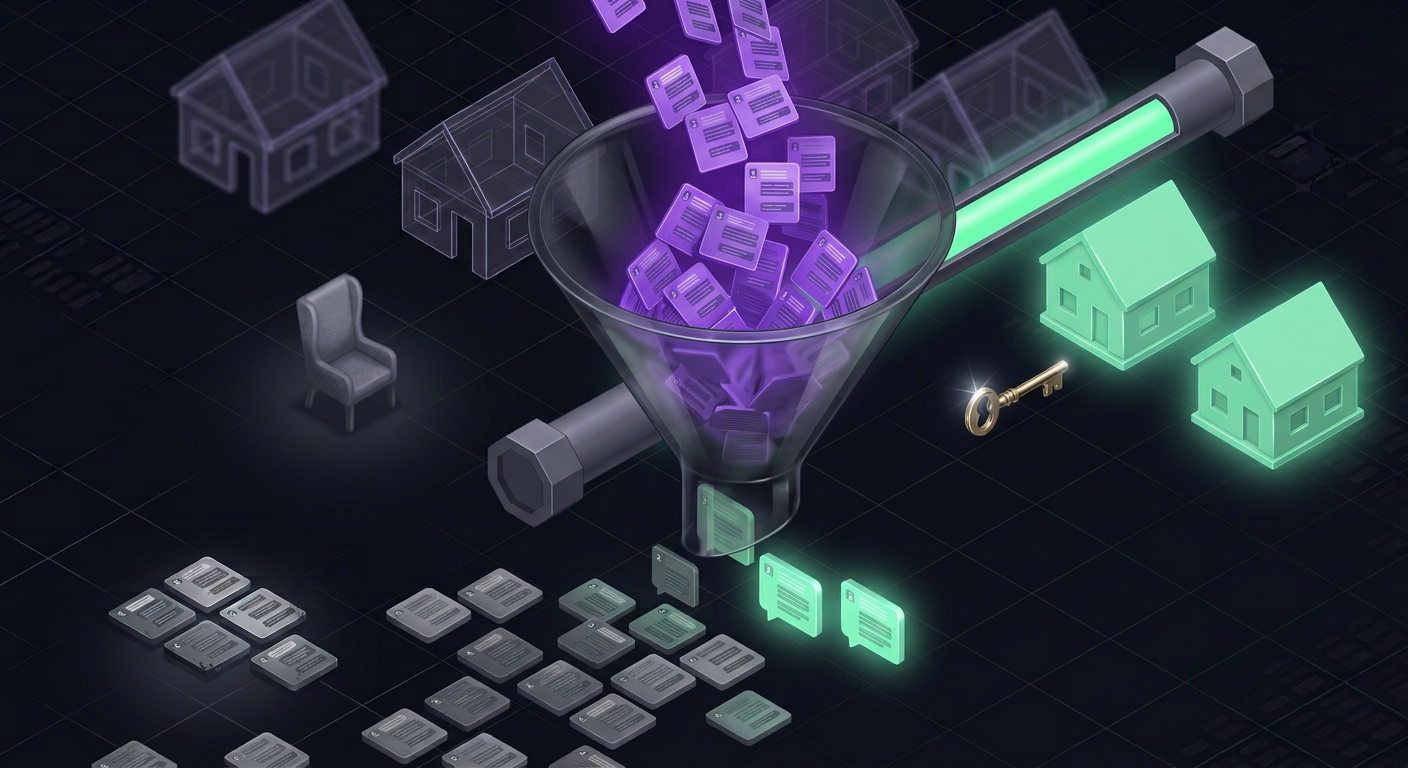
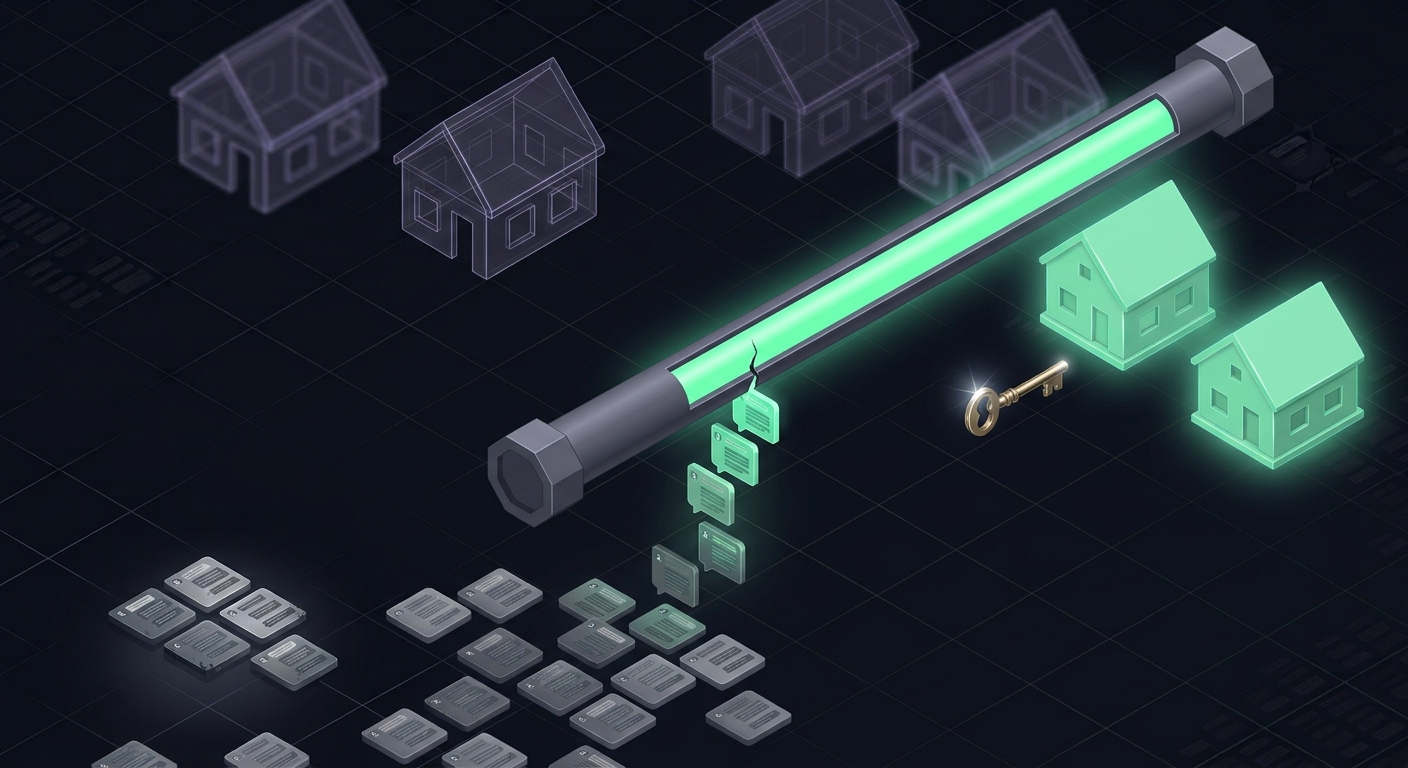
The leak that appears in no report
Every business has an ad spend report, a sales report, and a stock report. Almost none has a report on how many customers messaged and never received a reply. Yet this is the cheapest loss to fix, because the acquisition cost was already paid.
The numbers found on first measurement are usually startling. Many businesses discover that five to fifteen percent of inbound conversations were never answered at all, and most of the rest stopped after a single reply.
Five most common causes
- Chats arriving outside working hours. Evening messages sink beneath the next morning traffic and never resurface.
- No clear ownership. When one number is handled by three people, everyone assumes someone else replied.
- No status markers. Without labels such as awaiting reply or waiting on customer, the inbox is just a meaningless chronological list.
- Follow-up depends on memory. A promise to call back next week almost always dies because nothing reminds anyone.
- Uneven workload. One agent receives triple the threads of a colleague and the backlog builds invisibly.
A realistic follow-up cadence
- First reply as fast as possible, ideally within minutes during business hours and via an informative auto reply outside them.
- Second touch within twenty four hours if there is no response, adding information rather than merely asking for a decision.
- Third touch on day three, usually addressing the most common objection.
- Final touch on day seven, closing politely with the door left open.
- Then move to nurturing, not deletion.
What makes this work is not the number of messages but their content. A follow-up that only checks in gets ignored. One that carries new information gets read.
Automation that helps without sounding robotic
- Segment by behaviour, not only timing. Someone who asked about price needs a different message than someone who asked about availability.
- Stop automatically when the customer replies. Nothing damages trust faster than a sequence that keeps firing after an answer.
- Make the handover to a human seamless, with full conversation context.
- Respect rest hours. Automated messages at two in the morning cost more than they earn.
How to measure the leak in your own business
- Percentage of conversations with no reply at all in the last thirty days.
- Average and worst first response time, split between business hours and outside.
- Number of conversations that stopped after one reply with no follow-up.
If these three numbers have never been calculated, your largest improvement opportunity is probably here rather than in a bigger ad budget.
Frequently asked questions
How many follow-ups before it becomes annoying?
Four touches over seven days with different content is generally accepted. What annoys people is repetition, not frequency.
Do auto replies reduce trust?
No, as long as they are honest and useful. An auto reply stating hours and giving initial information beats silence by a wide margin.
What if the team is too small to chase every lead?
That is precisely why prioritisation exists. A small team must answer the best leads first, which is only possible when leads are ranked by intent.
Next step
Measure the three numbers above for last month. If the result surprises you, start with a single fix: make sure no conversation ends without a reply. See how on WhatsCRM Hub.